The pimple is gone, but the mark it left behind is not. If that sounds familiar, you are in good company: post-acne marks are one of the most common skin concerns in Pakistan, where strong sun, smog, picking and medium-to-deeper skin tones all make marks more stubborn.
Here is the catch. “Acne marks” and “dark spots” are not the same thing, and treating the wrong one can waste months. This guide explains the difference, shows you how to tell which type you have, and covers what genuinely helps each one fade.
The quick answer:
-
Red, pink or purple flat marks (PIE): these fade mostly with time, daily sunscreen and gentle, calming care. Stubborn ones may respond to professional vascular lasers.
-
Brown or dark flat marks (PIH): these fade with daily sunscreen plus brightening ingredients such as vitamin C, niacinamide, azelaic acid or retinoids, usually over months.
-
Dents, pits or raised bumps (scars): serums cannot fill these in. They need dermatologist-led treatment.
-
Sun spots and melasma: these are dark spots that have nothing to do with pimples, and they have different causes.
-
For every type: stop new pimples, never pick, and wear sunscreen every single day.
Acne Marks vs Dark Spots: What Is the Difference?
“Dark spots” is an umbrella term for any patch of skin that looks darker than the skin around it because of extra melanin, the pigment that gives skin its colour. That includes sun spots, melasma and the marks that appear after skin injury. “Acne marks” are the specific marks left behind after pimples heal, and they come in different types:
| Type |
What it looks like |
What causes it |
How long it takes to fade |
|
PIE (post-inflammatory erythema) |
Flat red, pink or purple marks |
Inflammation damages or widens the tiny blood vessels near the surface |
Usually several months, sometimes more than a year |
|
PIH (post-inflammatory hyperpigmentation) |
Flat tan, brown or grey marks |
Inflammation triggers skin cells to make extra melanin |
A few months to a year or more, and longer in deeper skin tones |
| Acne scars |
Dents, pits or raised bumps |
Damage to the skin’s structure and collagen |
Permanent without professional treatment |
| Sun spots and melasma |
Brown patches, often on the cheeks, forehead or upper lip |
UV exposure and hormones, not pimples |
Varies, and tends to return with sun exposure |
PIE is more visible on fair skin, while PIH is more common and more persistent in medium to deeper skin tones, which is why PIH is the main worry for most people in Pakistan. Many people have both at once, such as pink marks along the jaw and brown marks on the cheeks from breakouts that happened weeks apart.
How to Tell Which One You Have
Three quick checks you can do at home in natural light:
-
Check the colour. Red, pink or purple suggests PIE. Tan, brown or grey suggests PIH.
-
Try the press test. Gently press a clear glass or your fingertip on the mark. Red marks often fade for a moment while the skin is pressed, while brown marks stay the same.
-
Check the texture. Run a fingertip across the mark. If it is flat, it is a mark. If you feel a dent or a raised bump, it is a scar.
If you are unsure, or you have a mix, a dermatologist can tell you quickly and save you months of trial and error.
Why Marks Hang On in Pakistan
-
Skin tone: skin that makes more melanin tends to react to inflammation with extra pigment, so PIH is more frequent, more severe and slower to fade in medium to deeper tones.
-
Strong UV: sun exposure darkens existing marks and slows their fading. Skipping sunscreen can undo months of good work.
-
Picking and squeezing: this creates more inflammation, and more inflammation means darker, longer-lasting marks.
-
Harsh home remedies: lemon juice, toothpaste and baking soda irritate the skin, and lemon juice combined with sun can cause new dark patches.
-
Smog and dryness: from October to January, city air and cold weather can irritate the skin barrier and make marks look duller.
The Five Rules That Matter More Than Any Product
-
Control active acne first. New pimples create new marks faster than old marks fade, so you cannot win while breakouts continue.
-
Never pick or squeeze. If a pimple needs attention, use a spot treatment or see a dermatologist.
-
Wear SPF 30+ every day. Choose a broad-spectrum sunscreen you will actually use, reapply when outdoors, and consider a tinted mineral formula, which also helps against visible light that can darken marks in deeper skin tones.
-
Be gentle. Harsh scrubs and over-exfoliation cause irritation, and irritation can make marks worse.
-
Be patient and consistent. Expect to measure progress in months, not days. Take a photo once a month to see the change.
What Actually Fades Them: Ingredients With Evidence
Reviews of post-inflammatory hyperpigmentation in skin of colour describe the same foundation: treat the underlying acne early, protect the skin from the sun, and use topical brightening agents. Multiple ingredients combined often work better than any single one. You can read more in this review of PIH in skin of color and this review of treatment options.
| Ingredient |
Best for |
Good to know |
| Sunscreen |
Preventing marks from darkening |
Non-negotiable for every mark type |
| Vitamin C |
Brown marks (PIH), dullness |
Usually used in the morning under sunscreen. It can sting on sensitive skin, so start slowly. |
| Niacinamide |
Brown marks, oily skin |
Generally well tolerated, so a good starting point for sensitive skin |
| Azelaic acid |
Acne and brown marks |
Studied in darker skin types for reducing both acne and PIH. Strengths vary, so ask a pharmacist or dermatologist. |
|
Retinoids (such as adapalene or tretinoin) |
Acne and brown marks |
Speed up skin renewal but can irritate. Start slowly, and avoid during pregnancy. |
| Kojic acid, arbutin, liquorice extract |
Brown marks |
Milder brightening ingredients |
| Gentle salicylic or glycolic acid |
Active acne and surface texture |
Low strengths only, and not every day at the start |
| Hydroquinone, tranexamic acid, chemical peels, lasers |
Stubborn marks |
Doctor-supervised only |
One important point: brightening ingredients work on pigment, not redness. If your marks are red, a brightening serum alone will not help much. Calming the skin and protecting it from the sun comes first, and a dermatologist can offer vascular laser treatment for stubborn red marks.
A Simple Routine for Each Type of Mark
Before starting any new product, patch test it behind your ear or on your inner forearm for 24–48 hours, check the ingredient list on the pack, and introduce only one new product per week.
If your marks are brown (PIH)
Morning
- Gentle cleanser
- C-Cure Vitamin C Brightening & Radiance Serum
- Moisturiser
- SPF 30+
Evening
- Gentle cleanser
-
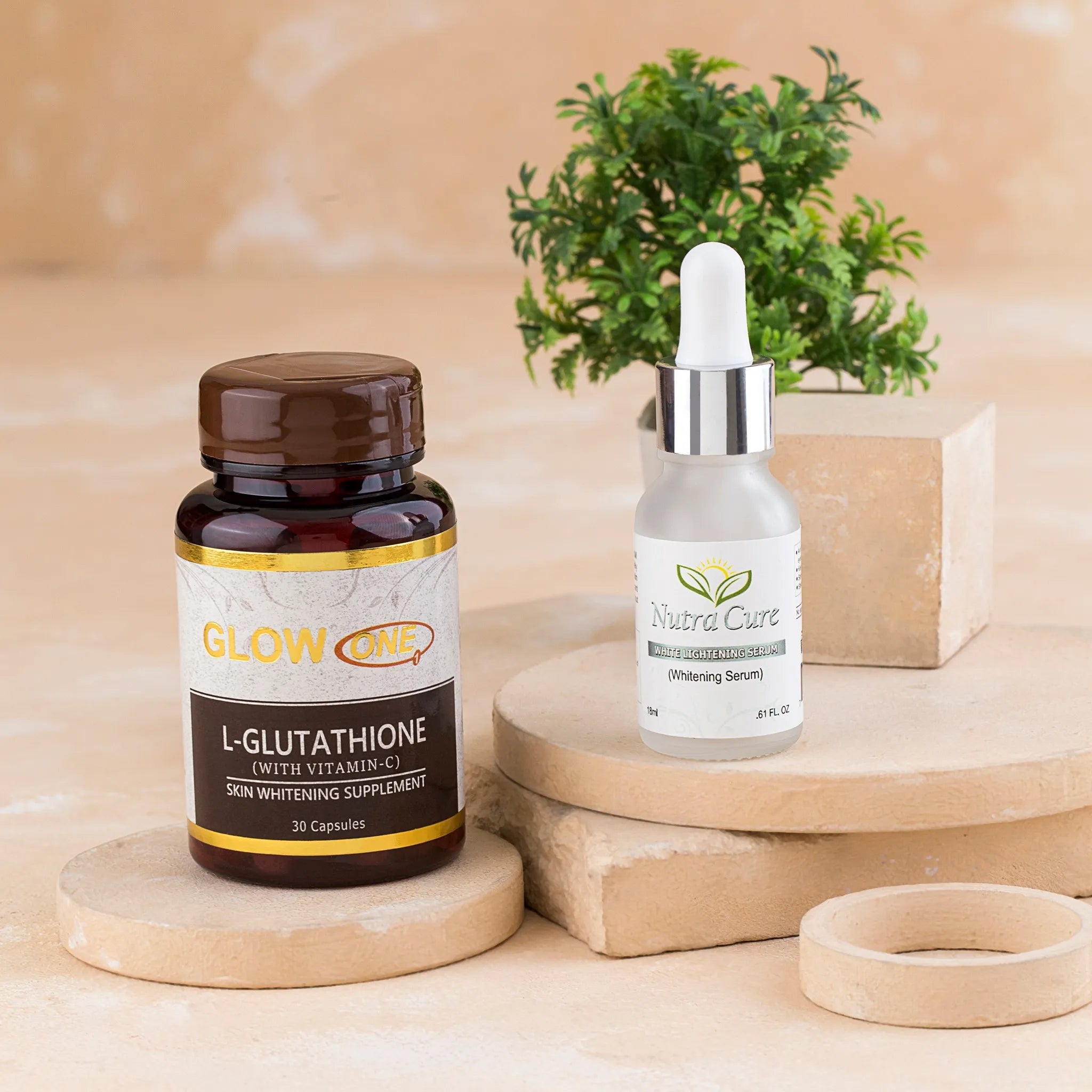
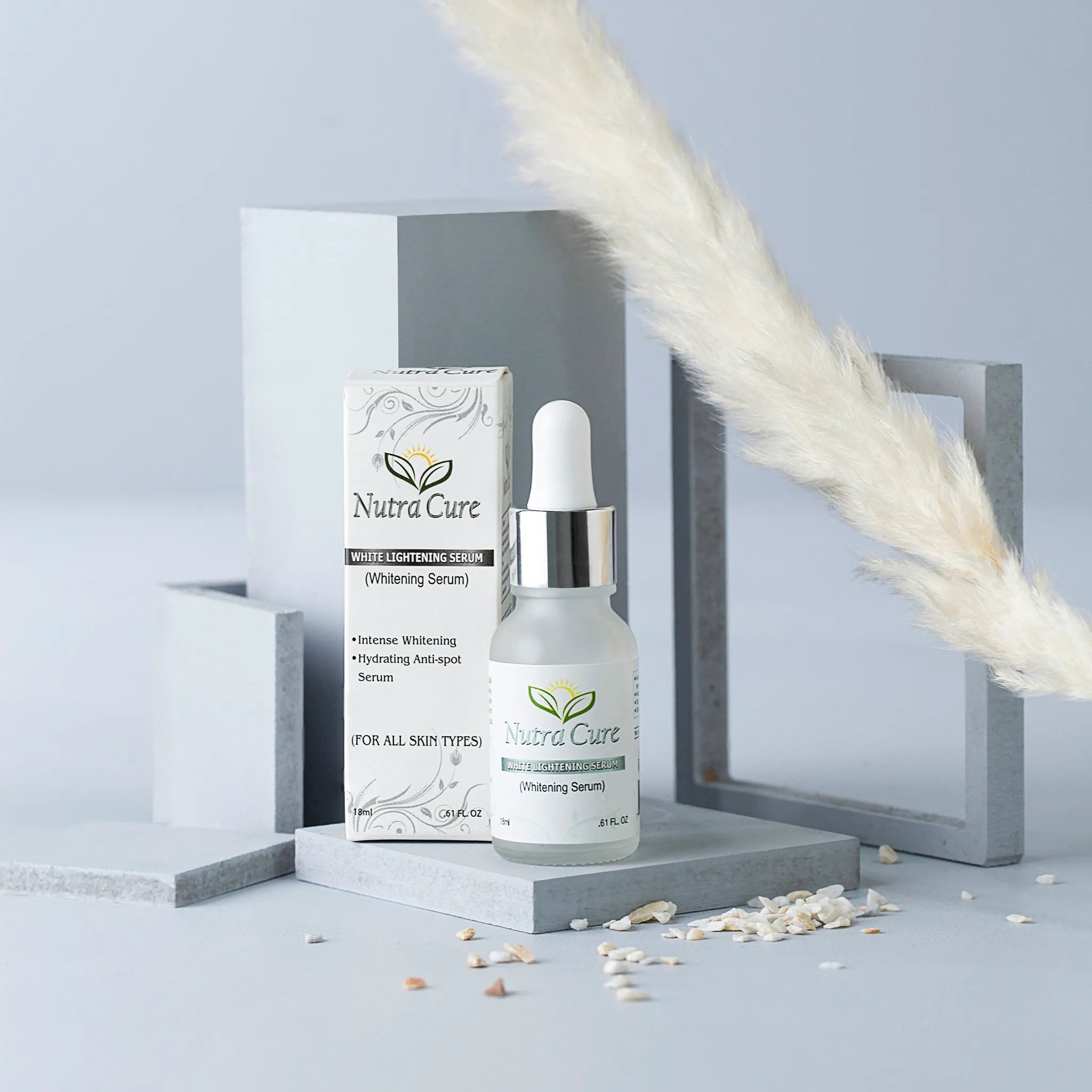
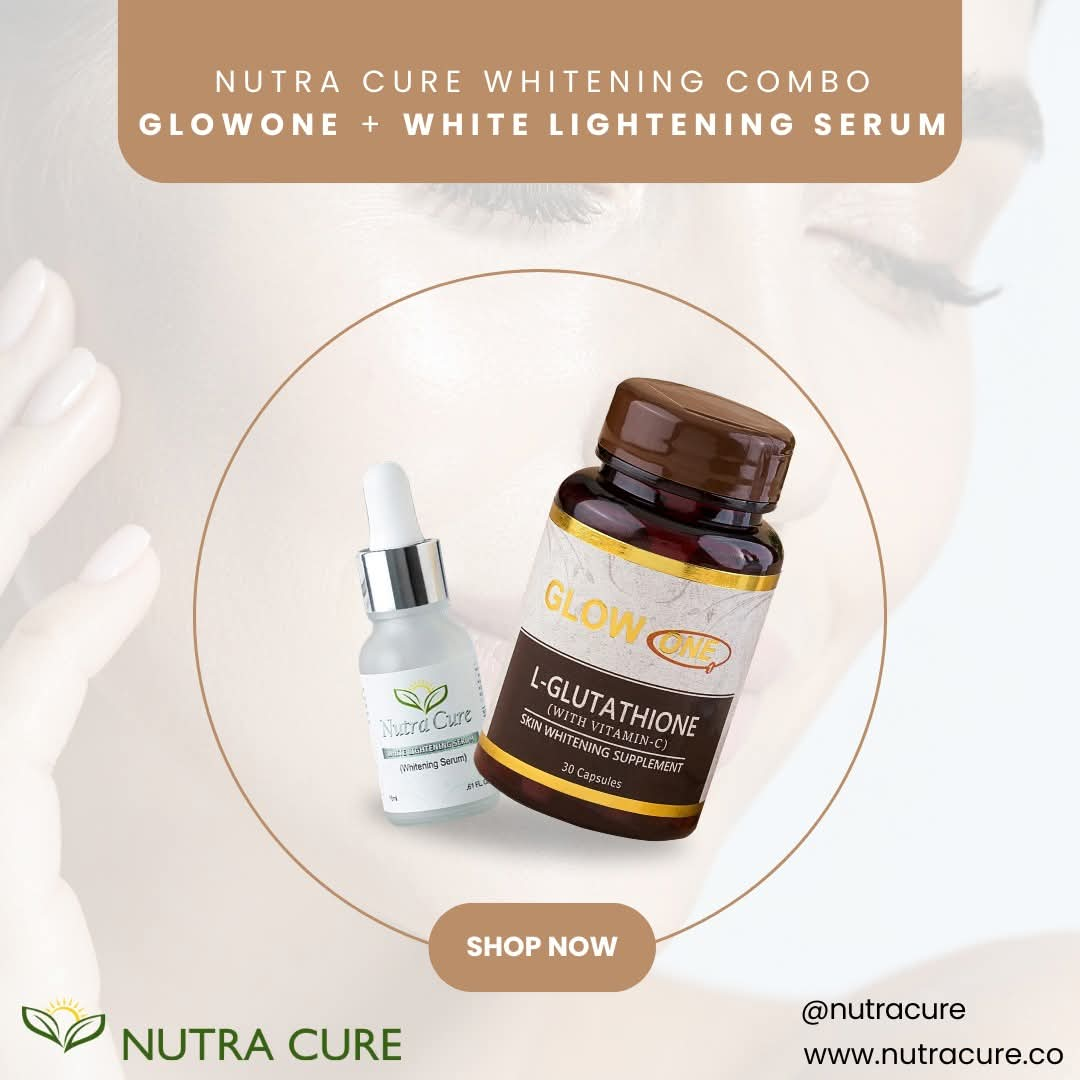
Nutra Cure Skin Whitening & Brightening Face Serum, used as directed
-
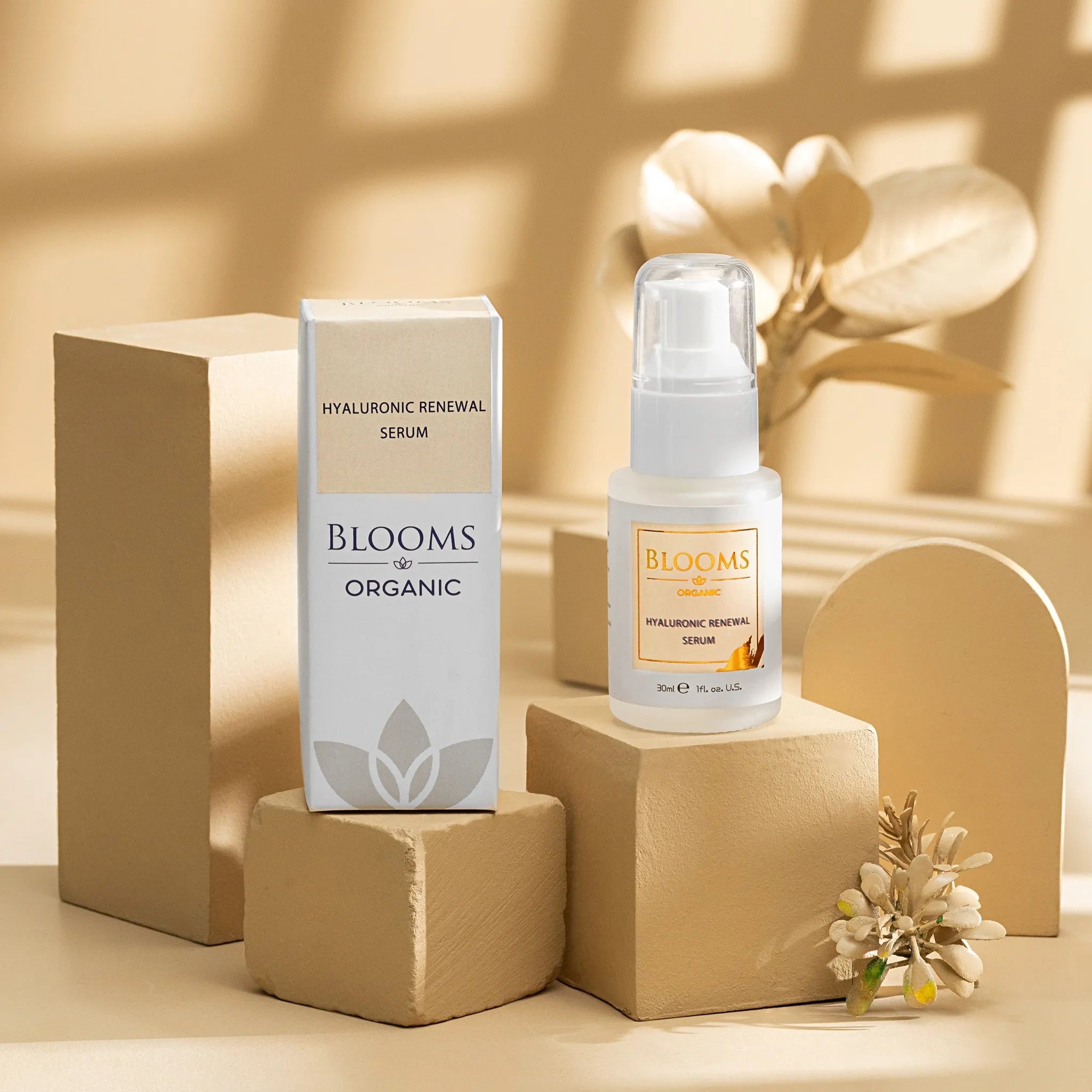
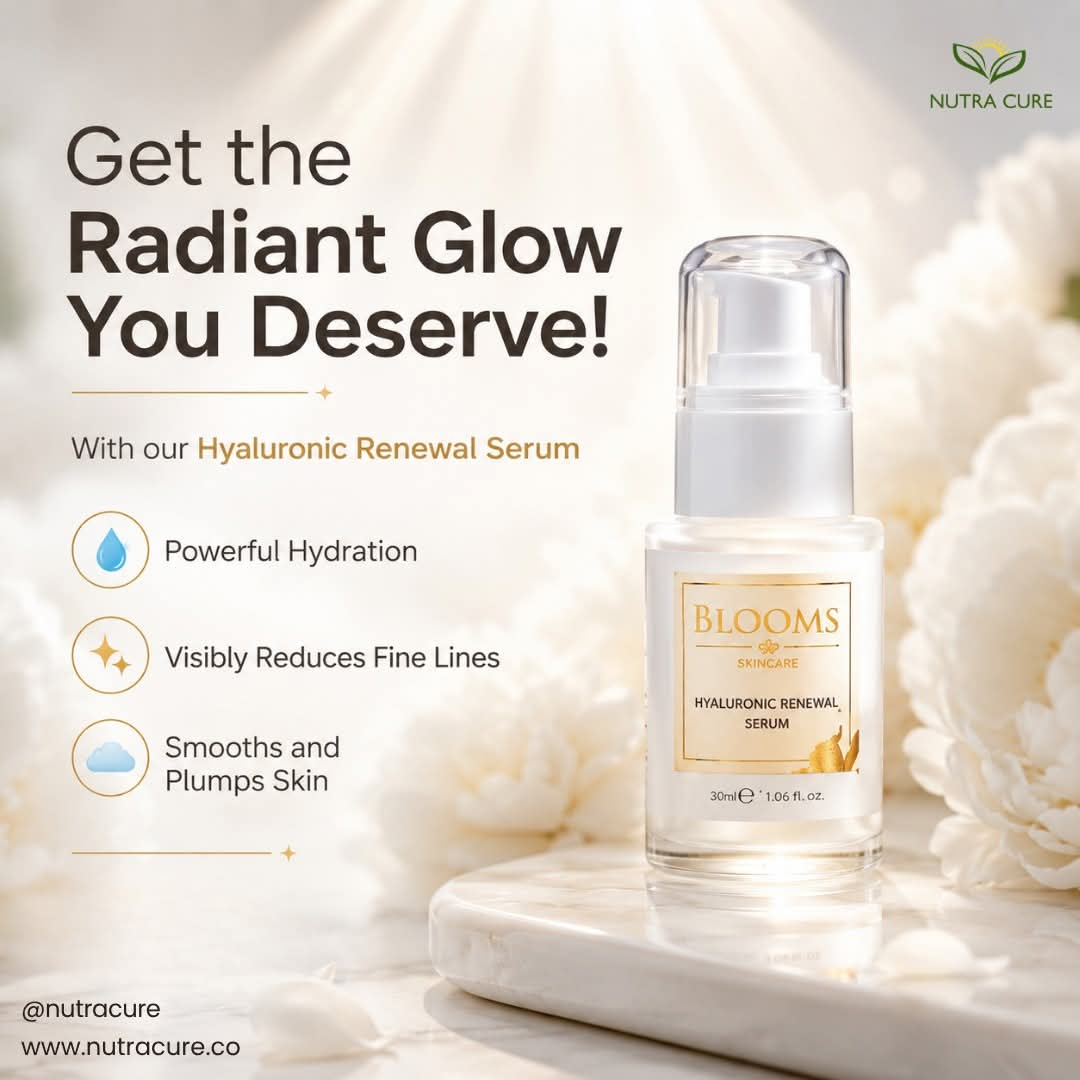
Hyaluronic Acid Renewal Serum and moisturiser
-
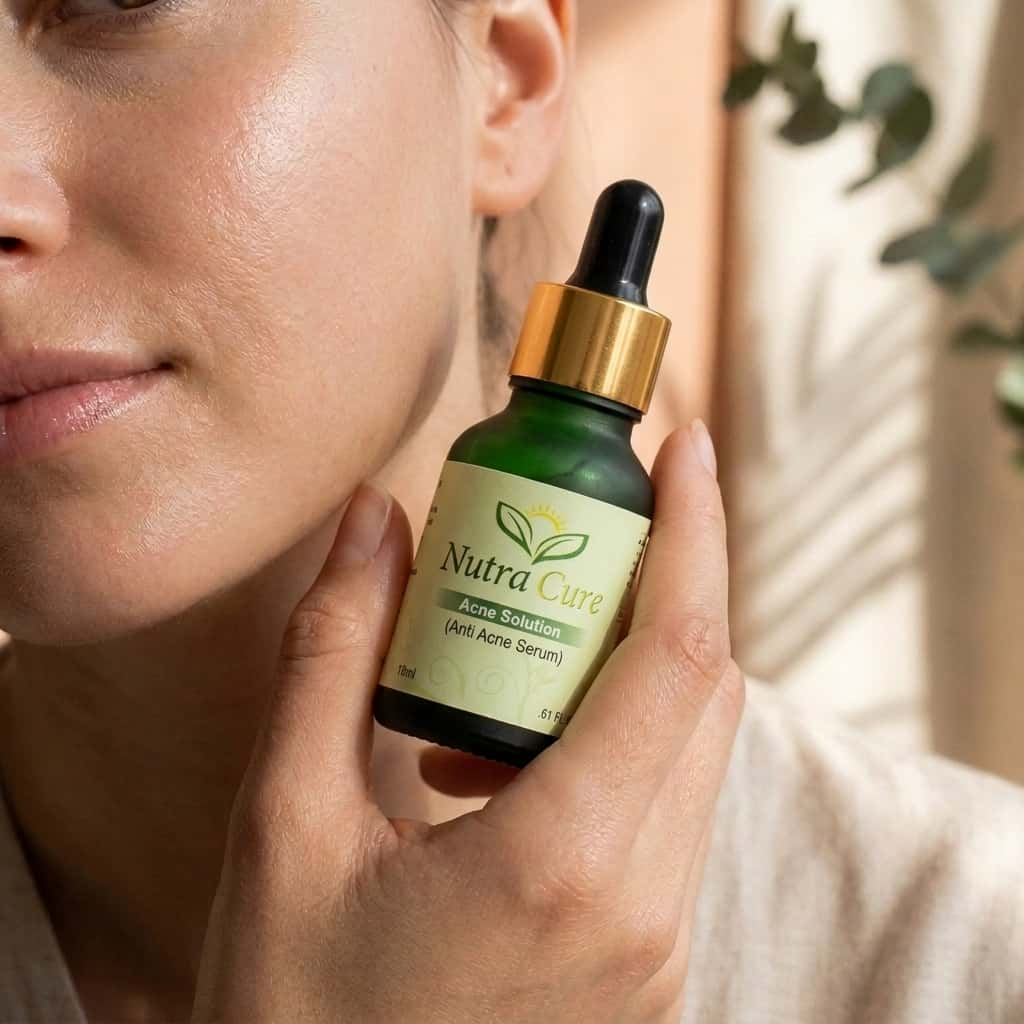
Anti-Acne Serum on active pimples only
If your marks are red (PIE)
Keep it calm and protective. Use a gentle cleanser, a hydrating serum such as the Hyaluronic Acid Renewal Serum, a moisturiser and SPF every morning. Avoid scrubs and layering several strong actives, because irritation prolongs redness. Green colour-correcting makeup can conceal red marks in the meantime. If there is no improvement after about three months, ask a dermatologist about azelaic acid or vascular laser treatment.
If you still get pimples
Treat breakouts and fading marks together. The Clear Skin Duo pairs the Anti-Acne Serum with the Skin Whitening & Brightening Face Serum. Start with one product for a week before adding the second.
What About Glutathione Supplements?
Glutathione research focuses on general skin brightening and melanin levels rather than acne marks specifically, and the studies so far are small. That means a supplement is not a spot treatment for acne marks. If you are following a broader brightening plan, a course of GlowOne Glutathione Capsules with Vitamin C can sit alongside the steps above, but sunscreen, acne control and brightening ingredients do the targeted work. See our guide to glutathione for skin brightening for the full picture, and speak to your doctor first if you are pregnant, breastfeeding or on medication.
When to See a Dermatologist
Book an appointment if:
- You have deep dents, raised scars or keloids.
- Your acne is painful, cystic or keeps coming back.
- Your marks have not improved after about three months of a consistent routine.
- You have symmetrical brown patches on your cheeks, forehead or upper lip, which can be melasma.
- A spot is changing in shape, colour or size, or it bleeds.
Professional options include prescription creams, chemical peels, microneedling and lasers. These work best under supervision, because aggressive treatment can trigger even more pigmentation in deeper skin tones.
Common Mistakes to Avoid
- Picking or squeezing pimples.
- Using lemon juice, toothpaste or baking soda on marks.
- Skipping sunscreen on cloudy or winter days.
- Using several strong actives at once.
- Changing products every week before they have time to work.
- Buying unregistered “whitening” creams, some of which contain steroids or mercury that can cause lasting damage.
- Stopping the routine after a few weeks.
Frequently Asked Questions
How long do acne marks take to fade?
It depends on the type. Red marks (PIE) usually fade over several months, and brown marks (PIH) can take anywhere from a few months to a year or more. Deeper skin tones and sun exposure make fading slower, while daily sunscreen and a consistent routine speed it up.
Do acne marks go away on their own?
Flat marks usually do fade eventually, but slowly. A good routine helps them fade faster and keeps them from darkening. Scars, on the other hand, do not fade by themselves.
Can vitamin C remove acne marks?
Vitamin C can help fade brown marks over weeks to months when used daily with sunscreen. It does not target redness or scars.
Is it safe to use a brightening serum and an anti-acne serum together?
Many people do, but introduce them one at a time, a week apart, and patch test first. If your skin stings, turns red or starts to peel, pause and go back to a gentle cleanser, moisturiser and sunscreen.
Can I fade acne marks before my wedding?
Yes, you can improve them, especially if you start early. Red marks can be concealed with makeup, and brown marks improve gradually. Start as soon as you can, and follow our 90-day wedding skin prep plan.
Do home remedies like lemon juice work on acne marks?
No. Lemon juice and similar remedies are irritating, and irritation plus sun can make marks darker. Stick to gentle, tested ingredients.
Start With the Basics
Fading acne marks is a patient game, and the basics do most of the work: control the pimples, protect your skin from the sun every day, and add one proven ingredient at a time. Explore our Face Serums and Glow & Brightening Essentials to build a routine that fits your skin.
This article is for general information and is not medical advice. Individual results vary. Consult a qualified dermatologist before starting any new treatment.