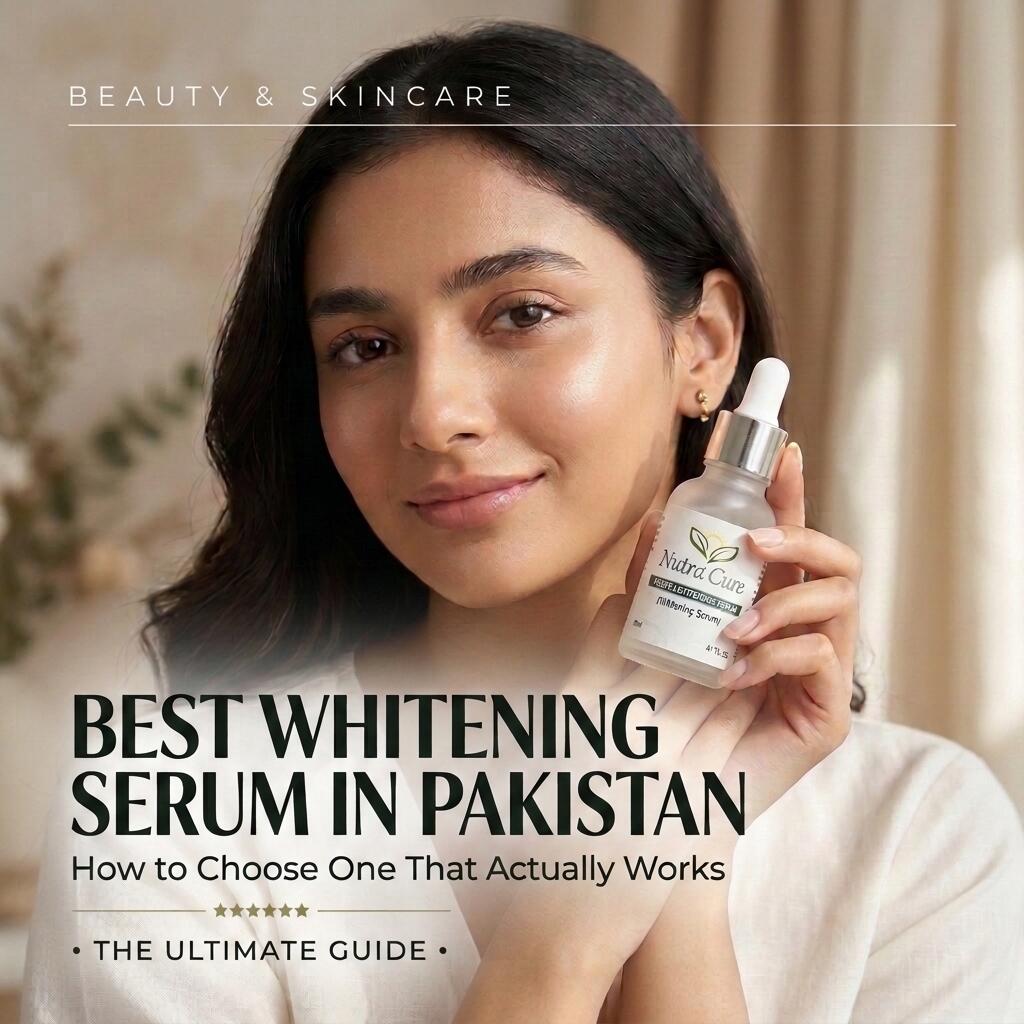
Search for a whitening serum in Pakistan and you will find hundreds of options, almost all of them promising dramatic results. Price and packaging tell you very little about whether a serum will work, or whether it is safe to put on your face every day.
This guide explains what whitening serums can realistically do, which ingredients have evidence behind them, how to choose one for your skin type, what to watch out for when buying, and how to use one properly. In Pakistan, “whitening” is the common search term, but what a good serum actually does is brighten dull skin and even out your tone, so we use both words below.
The quick answer:
-
What to expect: a good serum gradually fades dullness, tan and dark marks, and evens your tone over weeks to months. It will not change your natural skin colour.
-
What to look for: a full ingredient list with proven brighteners such as vitamin C, niacinamide, alpha arbutin, kojic acid, licorice extract or azelaic acid.
-
What to avoid: products that promise instant or permanent whitening, have no ingredient list, or may contain mercury, steroids or unsupervised hydroquinone.
-
Always: patch test first and wear sunscreen every day. Without SPF, UV undoes much of the work.
What Can a Whitening Serum Actually Do?
Your natural skin colour is set mostly by genetics, through the amount and type of melanin your skin makes. A serum cannot change that. What it can do is act on the surface issues that make skin look darker or duller than it needs to:
-
Dullness and tan: dead surface cells and sun exposure can make skin look flat and uneven.
-
Dark marks: acne marks, sun spots and uneven patches caused by extra melanin in one area.
-
Uneven tone: patches that look darker than the skin around them.
With consistent daily use, most people see early changes in a few weeks and clearer results after eight to twelve weeks. Results vary with your skin, your sun exposure and how steadily you use the product.
Ingredients That Work
A good serum should list its ingredients clearly. These are the main brightening ingredients to look for:
| Ingredient |
What it does |
Good to know |
| Vitamin C |
Antioxidant that helps fade dark spots and dullness |
Best in the morning under sunscreen. Look for airtight, dark packaging, and expect some stinging on sensitive skin. |
| Niacinamide |
Helps even tone and supports the skin barrier |
Generally well tolerated, so a good starting point for sensitive skin |
| Alpha arbutin |
Gently slows melanin production |
A milder option for everyday use |
| Kojic acid |
Helps fade dark spots by slowing melanin production |
Can irritate, so patch test first |
| Licorice root extract |
Calms skin and helps with uneven tone |
Often combined with other brighteners |
| Azelaic acid |
Helps with dark marks and breakouts |
Studied in darker skin types. Strengths vary, so ask a pharmacist or dermatologist. |
| Glutathione (topical) |
Antioxidant studied for skin brightening |
Evidence is promising but limited. See our glutathione guide. |
More is not always better. A serum with two or three well-chosen brighteners usually works better, and irritates less, than one with a long list of everything.
Ingredients and Products to Avoid
The skin-lightening market in Pakistan includes unregistered products that work fast for the wrong reasons. Stay away from anything that may contain:
-
Mercury: it can appear on labels as “mercurous chloride,” “calomel” or “mercuric.” It is toxic and can damage the skin and kidneys.
-
Steroids: strong steroid creams can lighten skin quickly, but they also cause thinning, stretch marks, acne and rebound darkening when stopped.
-
Hydroquinone without medical supervision: it is a strong lightening agent that is prescription-only or tightly regulated in many countries. Long unsupervised use can cause irritation and even permanent darkening of the skin.
-
Unlabelled “instant whitening” products: results that appear overnight are a warning sign, not a selling point.
How to Choose by Skin Type and Concern
-
Dull skin and tan: look for a vitamin C serum for mornings, with sunscreen on top.
-
Acne marks: niacinamide or azelaic acid work well. Read our guide to acne marks vs dark spots.
-
Sensitive skin: start with gentle brighteners such as niacinamide, introduce one product at a time, and patch test.
-
Oily or combination skin: choose a lightweight, water-based or gel serum that absorbs quickly.
-
Dry skin: pair your brightening serum with a hydrating serum such as hyaluronic acid. See our hyaluronic acid serum guide.
-
Patchy brown areas on your cheeks, forehead or upper lip: this can be melasma, which needs a dermatologist rather than a standard serum.
What Affects the Price in Pakistan?
Price alone does not tell you whether a serum is good, but these factors usually explain differences between products:
-
Ingredient quality and concentration: better, more stable ingredients cost more.
-
Packaging: vitamin C and other sensitive ingredients need airtight, light-protected bottles to stay effective.
-
Size: compare the price per millilitre, not just the price on the box.
-
Authenticity: very cheap prices on imported brands are a common sign of fakes.
-
Brand support: a company that publishes its ingredients, directions and contact details is easier to trust.
A useful test is to ask how many weeks the bottle will last at the recommended dose, then work out the monthly cost.
How to Use a Whitening Serum Safely
-
Patch test. Apply a small amount behind your ear or on your inner forearm and wait 24–48 hours.
-
Cleanse first. Apply the serum to clean skin, using the amount directed on the pack.
-
Moisturise. Follow with a moisturiser to lock in hydration.
-
Wear SPF 30+ every morning. UV darkens marks and slows fading, so sunscreen matters more than any serum.
-
Be consistent and patient. Give a new serum at least four to eight weeks before judging it.
-
Add products one at a time. If your skin stings, turns red or peels, pause and return to a gentle cleanser, moisturiser and sunscreen.
Red Flags When Buying
- Promises of “permanent,” “instant” or “overnight” whitening.
- No ingredient list, batch number or expiry date.
- A price far below similar products.
- Dramatic before-and-after photos with no explanation.
- Strong burning or heavy tingling when you apply it.
- Sellers you cannot verify, especially for imported brands.
Where the Nutra Cure Serum Fits
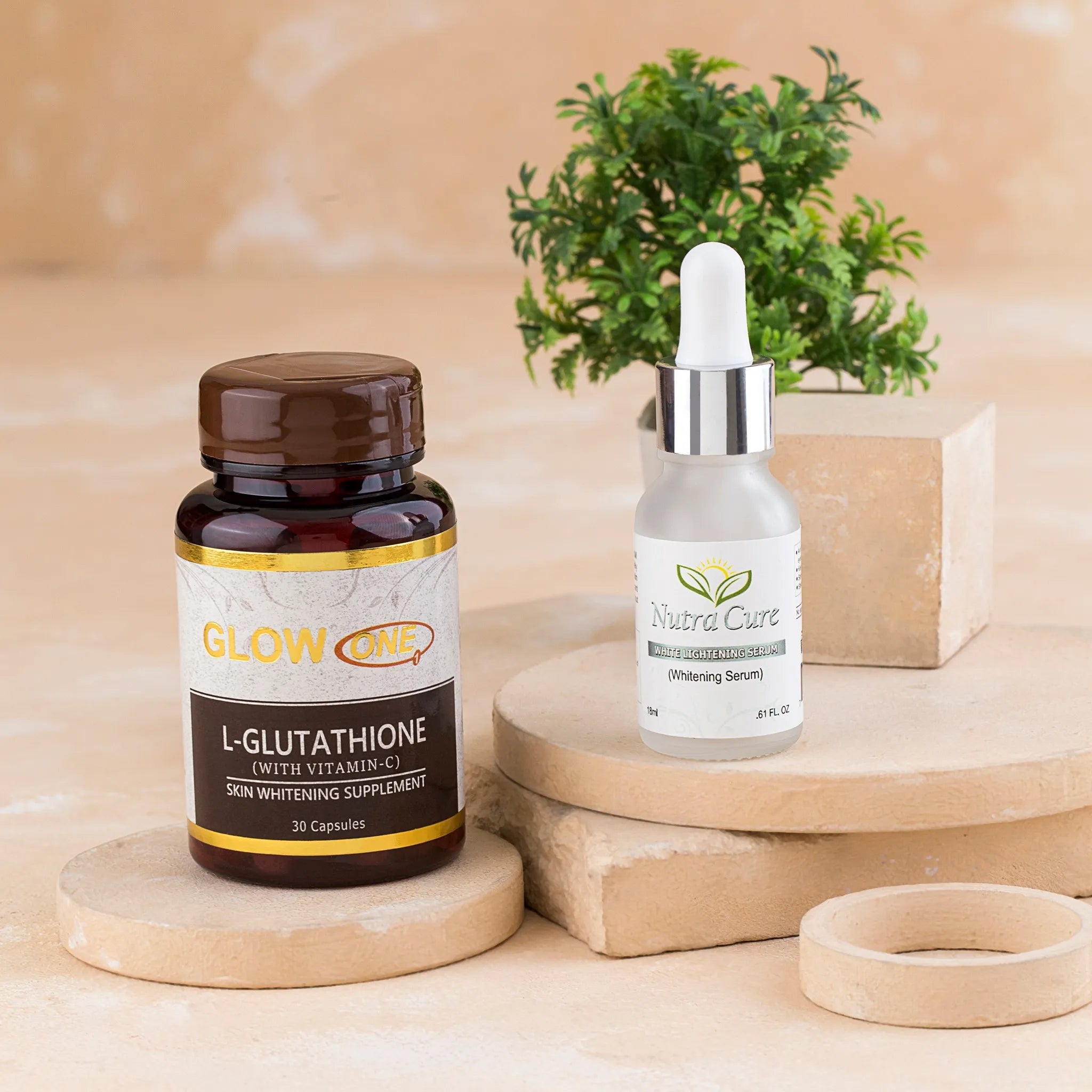
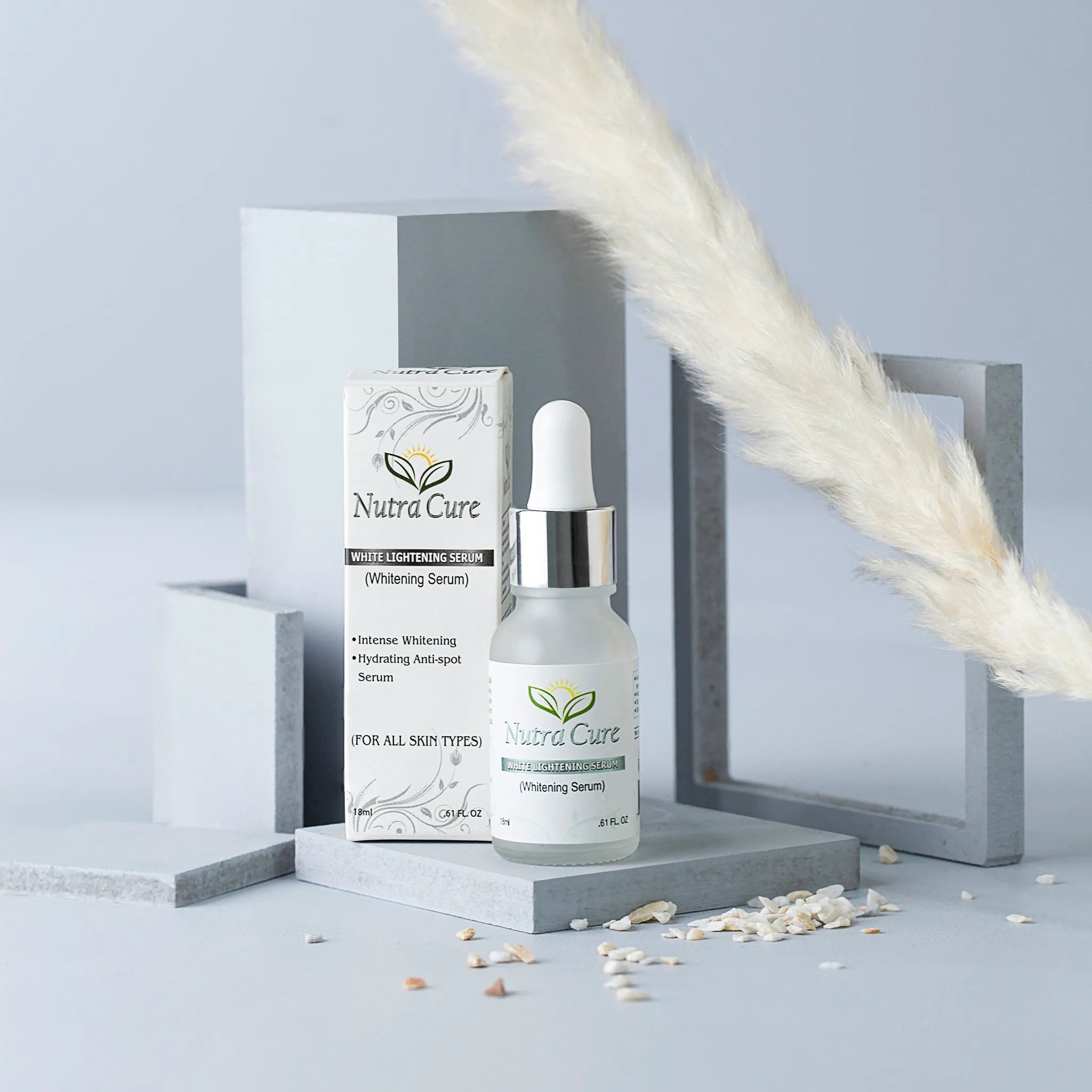
The Nutra Cure Skin Whitening & Brightening Face Serum is designed to help brighten dull skin and even out tone. It is priced at Rs. 1000, with free delivery on orders above Rs.1,500.
A simple routine to build around it:
Morning
- Gentle cleanser
- C-Cure Vitamin C Brightening & Radiance Serum
- Moisturiser
- SPF 30+
Evening
- Gentle cleanser
- Nutra Cure Skin Whitening & Brightening Face Serum, used as directed
-
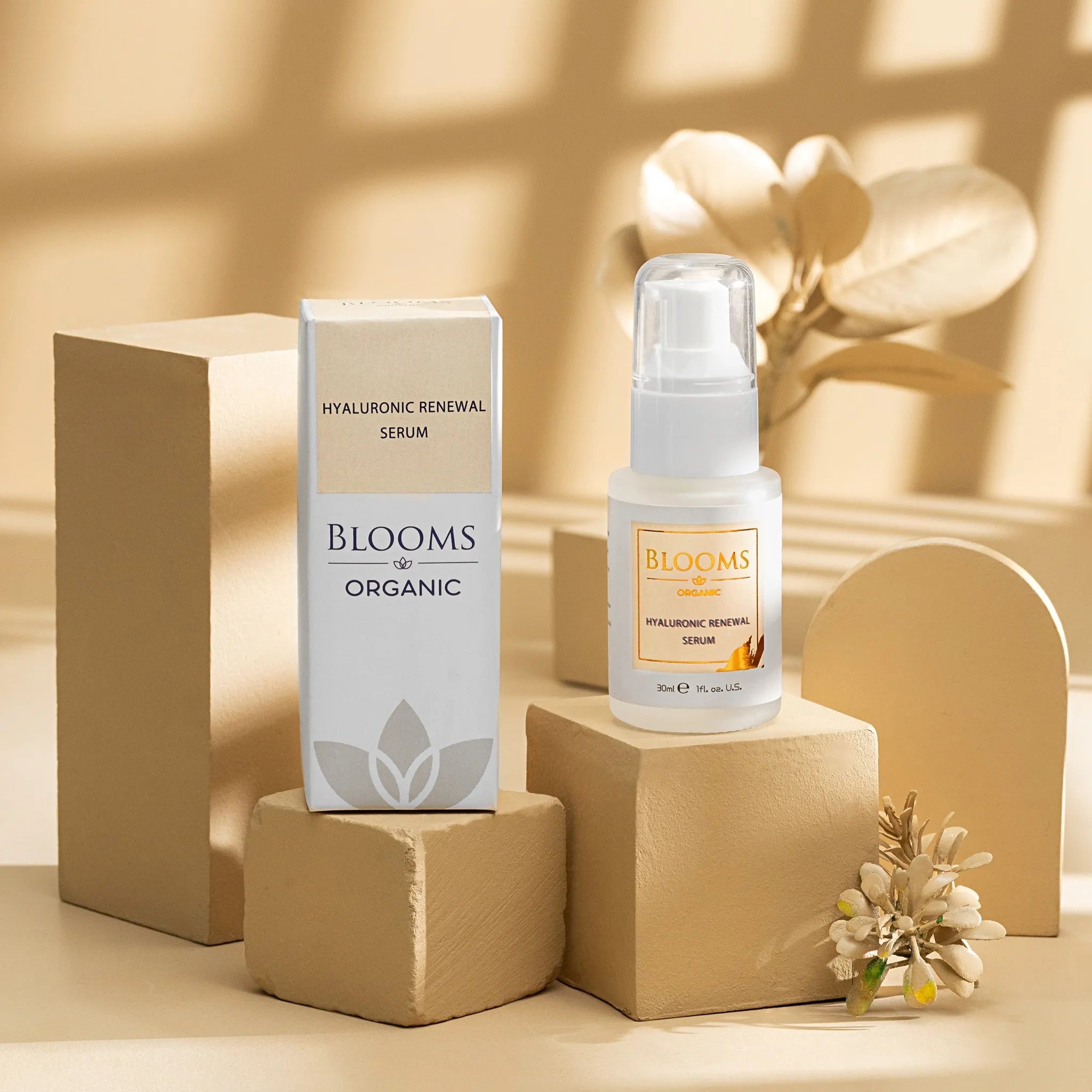
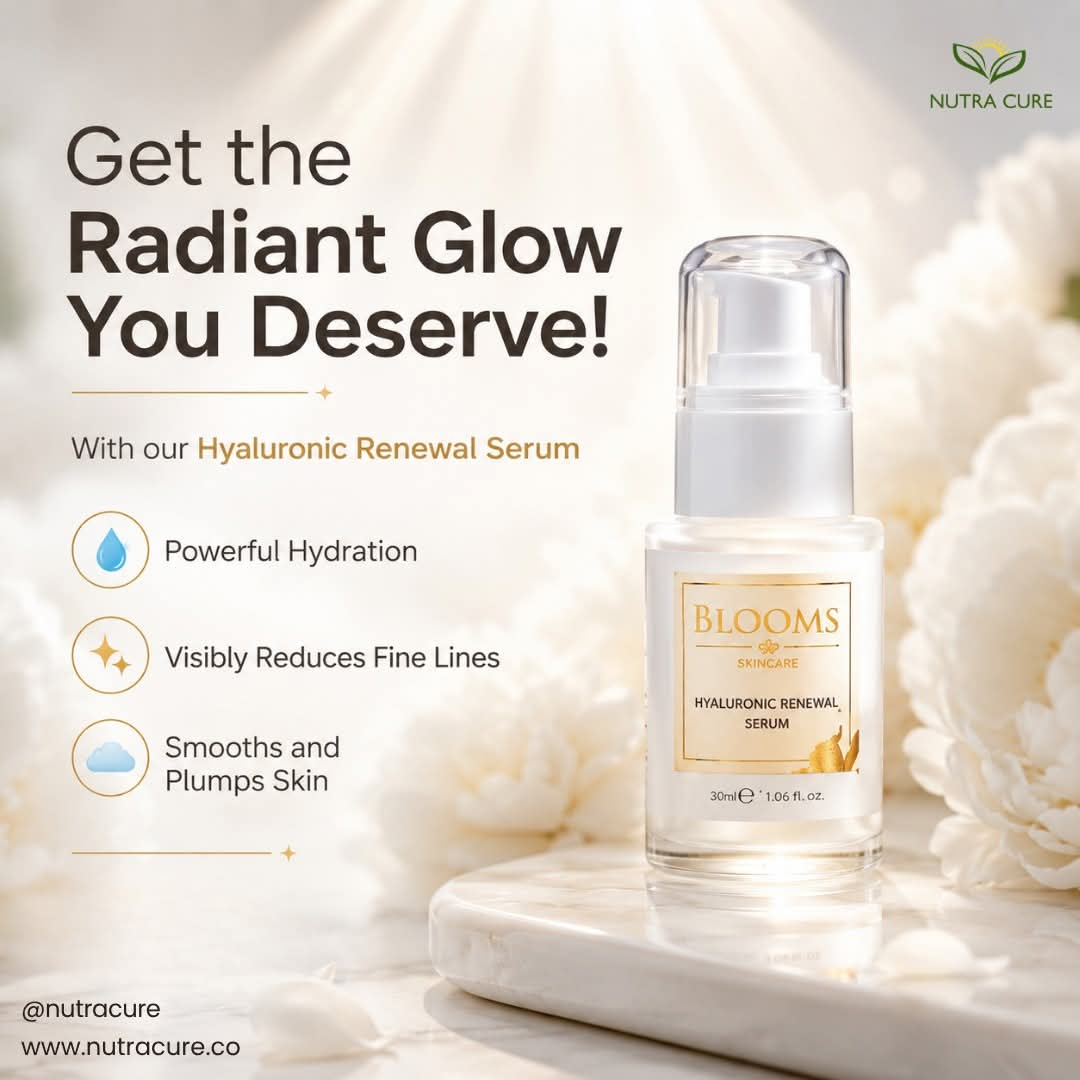
Hyaluronic Acid Renewal Serum and moisturiser
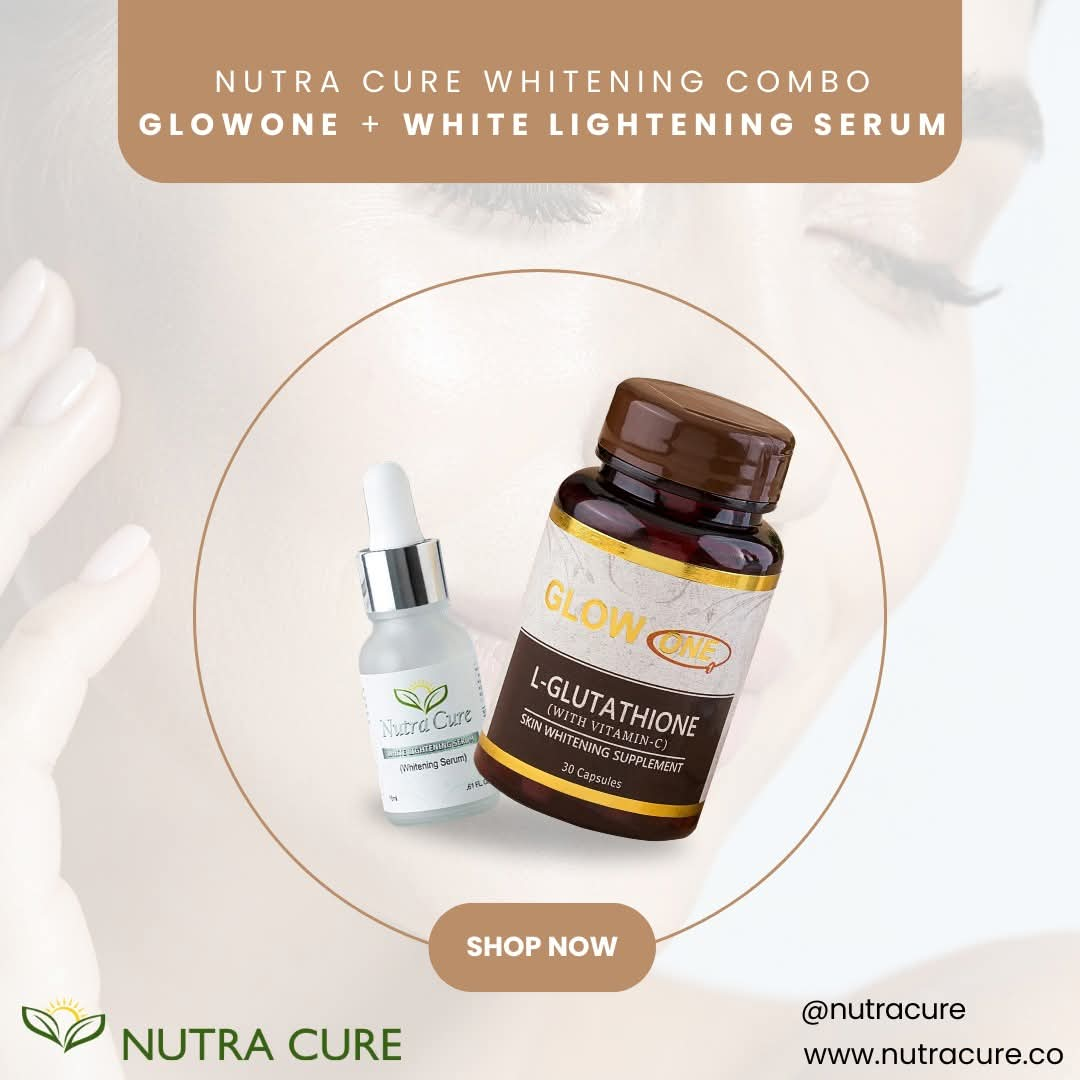
If you would like to brighten from the inside as well, the Glutathione Skin Brightening Combo pairs GlowOne capsules with a radiance serum. Nutra Cure recommends a 60 to 90-day course for the best results. If you are planning ahead for a wedding, follow our 90-day wedding skin prep plan. Speak to your doctor first if you are pregnant, breastfeeding or on medication.
Frequently Asked Questions
Which is the best whitening serum in Pakistan?
There is no single best serum for everyone. The best one for you has a full ingredient list, proven brighteners, suits your skin type and comes from a brand you can verify. Use the checklist in this guide to compare options.
How long does a whitening serum take to work?
Most people notice early changes in brightness after a few weeks, and clearer results after eight to twelve weeks of consistent daily use with sunscreen.
Can I use a whitening serum every day?
Most serums are designed for daily use, but follow the directions on the pack. If your skin is sensitive, start with every second night and build up.
Can I use a whitening serum with a vitamin C serum?
Many people use a vitamin C serum in the morning and a brightening serum in the evening. Introduce them a week apart and check the directions on each pack.
Are whitening serums safe?
A registered product with a clear ingredient list, used as directed, is generally fine for most people. Avoid products that may contain steroids, mercury or unsupervised hydroquinone, always patch test, and check with your doctor if you are pregnant or have a skin condition.
Are the results permanent?
No. Melanin production keeps responding to sun, hormones and genetics, so brightening is something you maintain. Daily sunscreen and consistent use help you keep your tone even. Be cautious of any product that promises permanent whitening.
Can I use a whitening serum in winter?
Yes. Winter sun is still strong enough to darken marks, so keep wearing sunscreen. Add a hydrating serum and a richer moisturiser if your skin feels dry.
Choose Smartly, Start Simple
The best whitening serum is the one with honest ingredients, a routine you can stick to and sunscreen every morning. Explore our Face Serums and Glow & Brightening Essentials to build a routine that fits your skin.
This article is for general information and is not medical advice. Individual results vary. Consult a qualified dermatologist before starting any new treatment.